
1. De Hoge Veluwe National Park
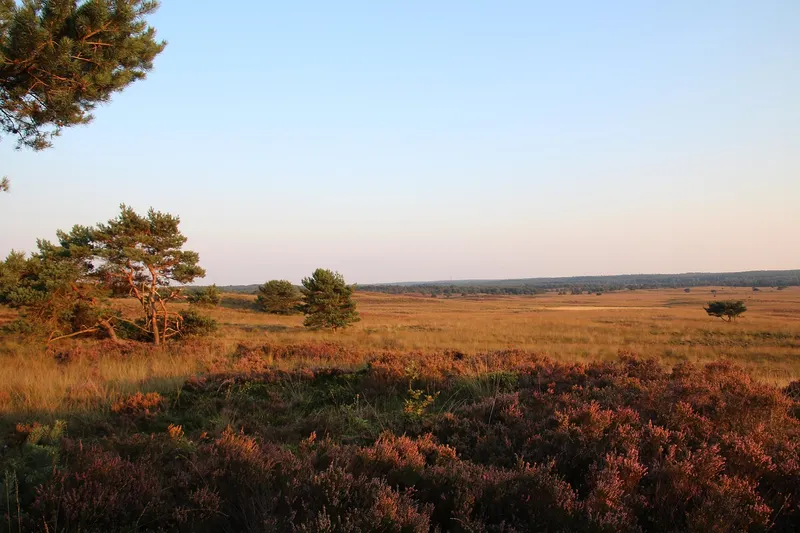
Located in the province of Gelderland, De Hoge Veluwe is the largest privately managed conservation area in the Netherlands, covering approximately 5,400 hectares. The park features a mosaic of forests, heathlands, grasslands, and shifting sands. Visitors can explore the park using free white bicycles available at various entrances, making it ideal for cycling enthusiasts. A highlight within the park is the Kröller-Müller Museum, home to an extensive collection of Vincent van Gogh’s works and a remarkable sculpture garden. Throughout the year, the park hosts various activities, including safaris, guided walks, lectures, and regional markets showcasing Veluwe specialties. You can easily reach the park from Arnhem, Apeldoorn or Ede. We can recommend the following tours on the Veluwe;
This museum ticket does not include admission to De Hoge Veluwe National Park. The park ticket must be bought separately.
View ticket on GetYourGuide2. De Biesbosch National Park
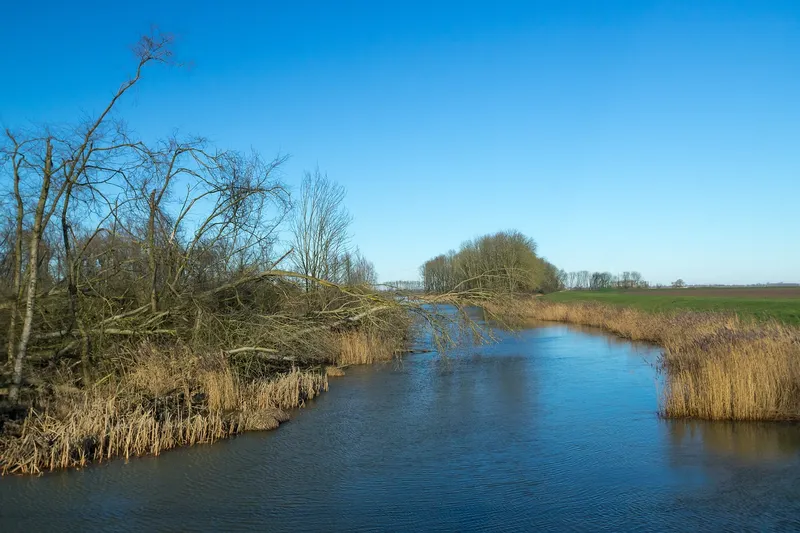
Situated in the provinces of North Brabant and South Holland, De Biesbosch is one of the largest freshwater tidal areas in Europe. This labyrinth of rivers, creeks, and willow forests offers a unique landscape shaped by centuries of interaction between humans and water. It’s a haven for birdwatchers, with species like the white-tailed eagle and osprey frequently spotted. Visitors can engage in activities such as canoeing, boating, and hiking. The park also plays a crucial role in water management and flood protection in the Netherlands. Visit De Biesbosch from Rotterdam, Dordrecht or Breda.
Explore the Biesbosch from the water
Private Biesbosch boat tour from Drimmelen
A private boat trip departing from Drimmelen. Travel to the departure point is separate; check the group size and booking conditions.
Private Biesbosch boat tour from Drimmelen on GetYourGuide3. Weerribben-Wieden National Park
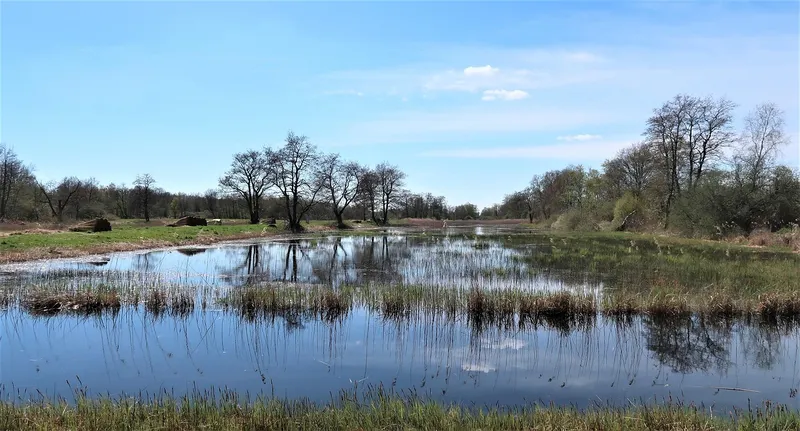
Located in the province of Overijssel, Weerribben-Wieden is the largest bog in Northwestern Europe, covering approximately 10,500 hectares. The park consists of two areas, De Weerribben and De Wieden, characterized by a network of waterways, reed beds, and swamp forests. It is home to diverse flora and fauna, including the rare European otter. Visitors can explore the park by canoe, whisper boat, or on foot, experiencing the tranquility of its natural beauty. Picturesque villages like Giethoorn, known as the “Venice of the North,” are located nearby, offering charming canals and traditional thatched-roof houses. Easy to reach via Zwolle, Emmerloord and right next to Meppel.
4. Schiermonnikoog National Park
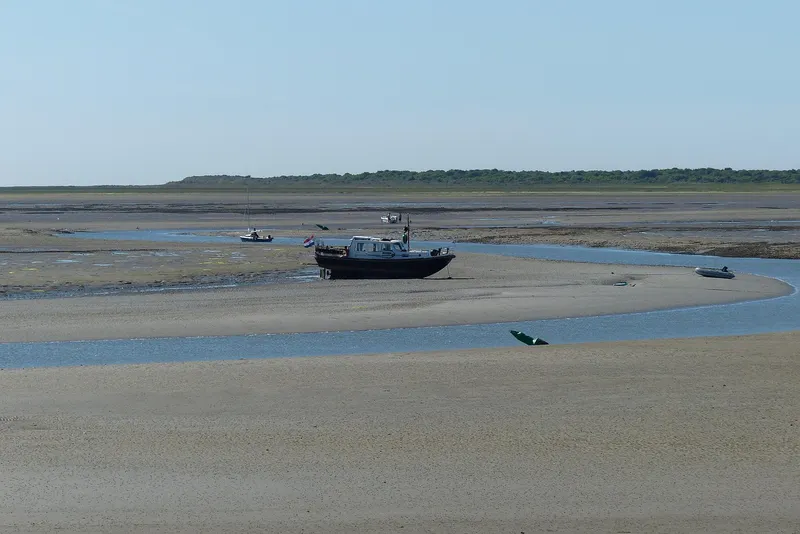
Encompassing the entire island of Schiermonnikoog in the Wadden Sea, this national park offers a diverse landscape of dunes, beaches, forests, and tidal flats. The island is renowned for its birdlife, serving as a crucial stopover for migratory species. With limited car traffic, visitors can enjoy serene cycling and walking paths that traverse varied terrains. The island’s beaches are among the widest in Europe, providing ample space for relaxation and exploration. Be sure to visit the right lighthouse!
Where to stay near the Veluwe
Compare accommodation in Apeldoorn and Arnhem. These are city-wide results; check the journey to your chosen park entrance separately.
5. Dwingelderveld National Park
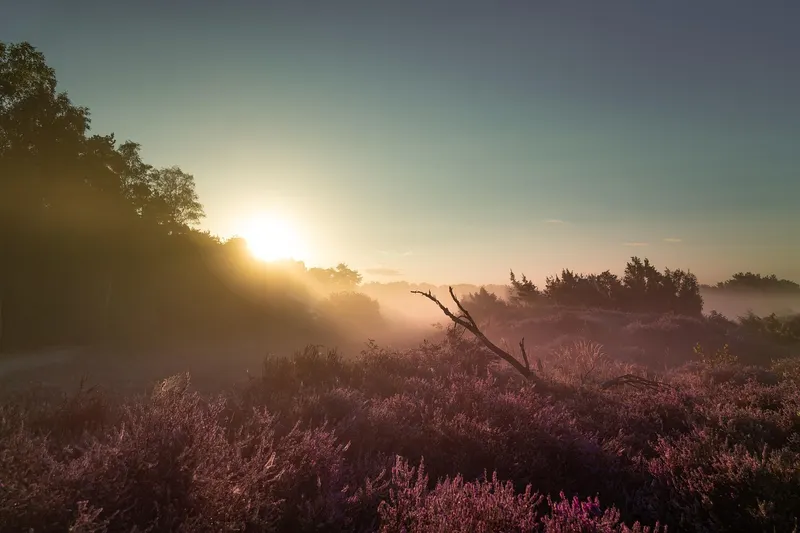
Located in the province of Drenthe, Dwingelderveld is the largest wet heathland in Western Europe, spanning approximately 3,700 hectares. The park features extensive heathlands, fens, and forests, offering habitats for species such as the black grouse and various butterflies. Visitors can explore numerous hiking and cycling trails, and the park is also home to two sheepfolds where traditional shepherding practices are maintained. The night skies here are exceptionally clear, making it a great spot for stargazing. Within a few minutes drive from Meppel, Hoogeveen, Assen or Emmen.
6. Utrechtse Heuvelrug National Park
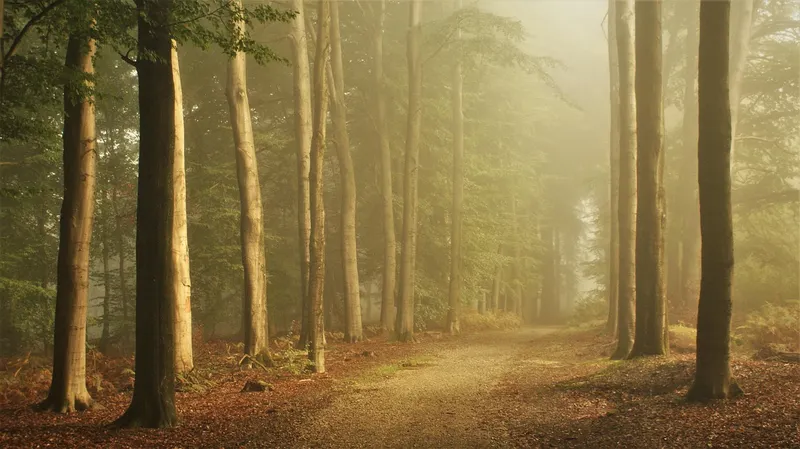
Stretching over 10,000 hectares in the province of Utrecht, the Utrechtse Heuvelrug encompasses a glacial ridge formed during the last ice age. The varied landscape includes forests, heathlands, and shifting sands. It’s the second-largest forest area in the Netherlands and supports wildlife such as deer, badgers, and numerous bird species. The area is also rich in cultural history, featuring castles, estates, and historic villages. Recreational activities include hiking, cycling, and horse riding, with well-marked trails catering to all levels. As the name already hints, the park lies right next to Utrecht.
7. Sallandse Heuvelrug National Park
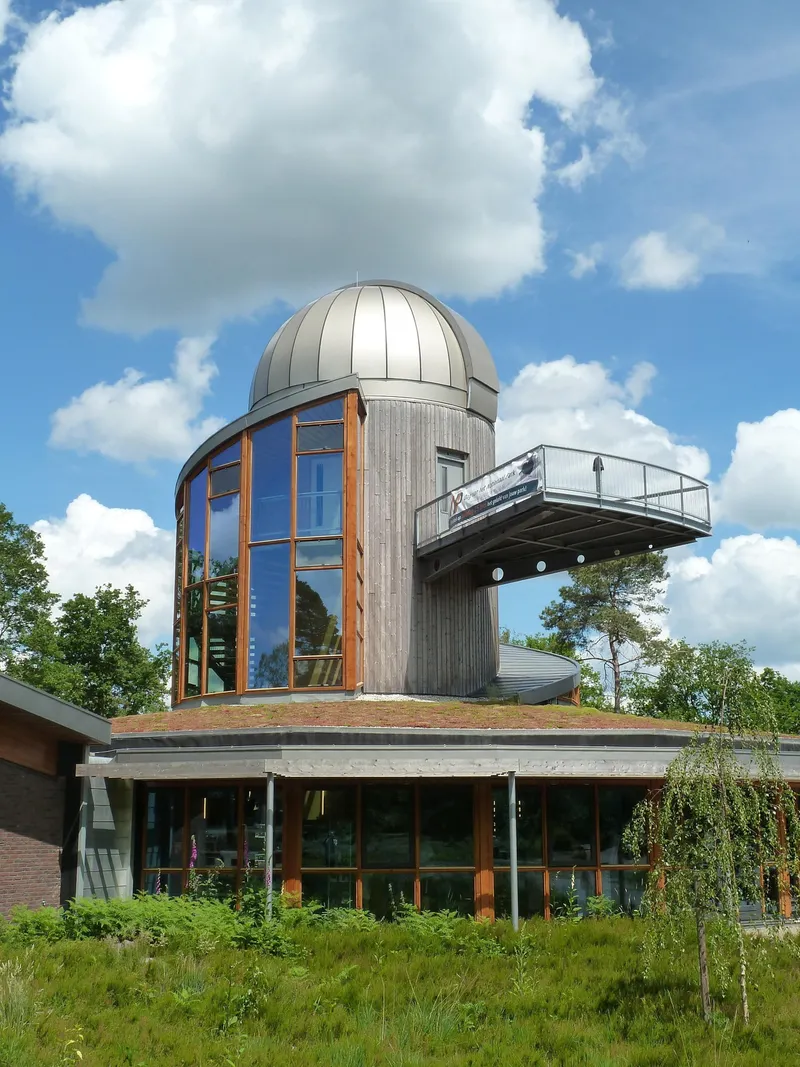
Situated in the province of Overijssel, Sallandse Heuvelrug is known for its rolling hills, which are remnants of ancient glaciers. The park’s diverse habitats include forests and heathlands, providing refuge for rare species like the black grouse. Outdoor activities such as hiking, cycling, and mountain biking are popular, with trails offering panoramic views of the surrounding countryside. The park also features the Holterberg Nature Museum, showcasing regional natural history exhibits. Visit it from Deventer or Almelo.
8. Lauwersmeer National Park
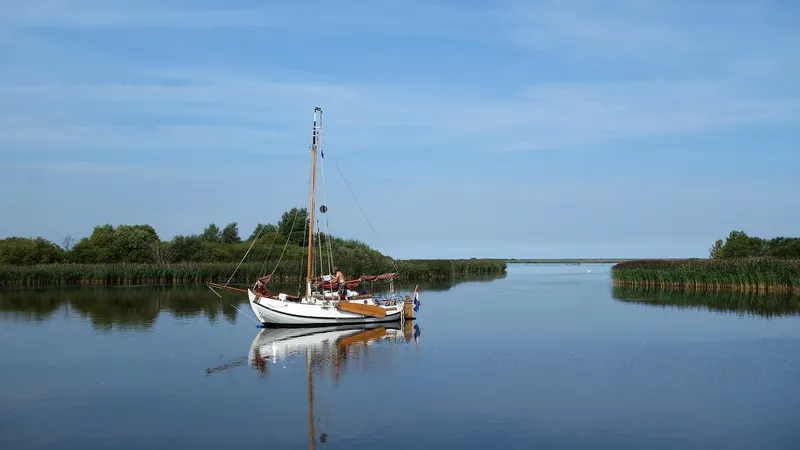
Located on the border of Friesland and Groningen provinces, Lauwersmeer was formed after the closure of the Lauwers Sea in 1969. The resulting freshwater lake and surrounding wetlands have become a paradise for birdwatchers, with over 100 species breeding in the area. The park’s open landscapes are ideal for hiking, cycling, and boating.
Lauwersmeer is also an official Dark Sky Park, meaning it’s one of the best places in the Netherlands to experience stargazing without light pollution. On clear nights, visitors can enjoy breathtaking views of the Milky Way. Activities include sailing, hiking, and cycling, with trails offering stunning views over the lake and surrounding nature. The nearby town of Lauwersoog provides fresh seafood and access to boat trips into the Wadden Sea. Visit it from Groningen or Dokkum.
9. De Maasduinen National Park
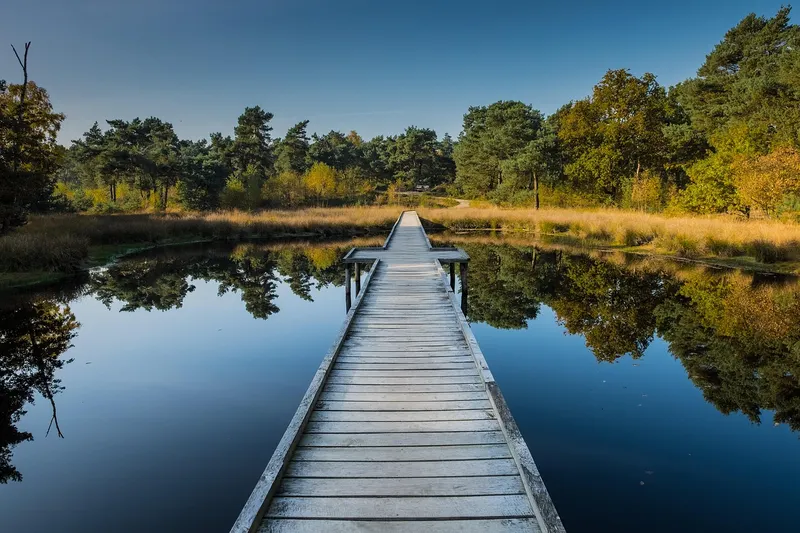
Found in the province of Limburg, De Maasduinen features the longest river dune belt in the Netherlands. The park’s landscape is shaped by the interplay of wind, water, and human activity, resulting in unique ridge formations. Visitors can enjoy a variety of recreational activities, including hiking, cycling, and horseback riding through forests, heathlands, and along the Maas River. The park is also home to diverse wildlife, such as deer, foxes, and numerous bird species. Best to visit from Venlo or Nijmegen.
10. De Loonse en Drunense Duinen National Park
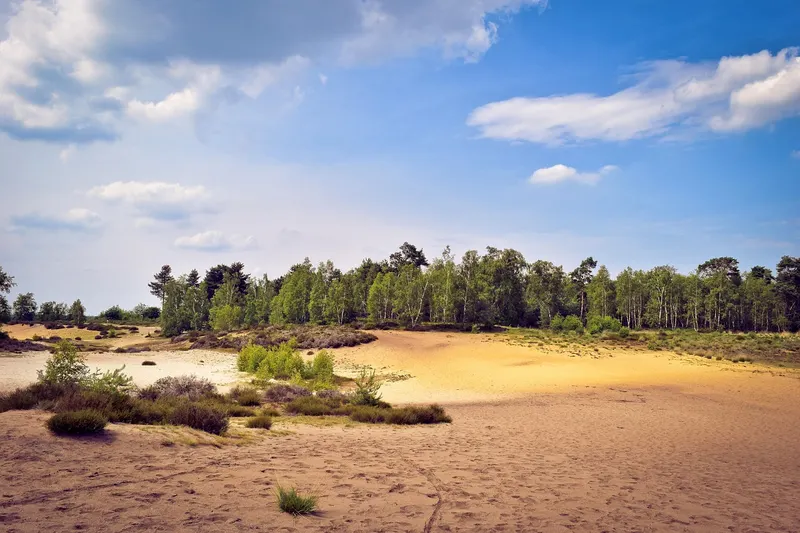
Nestled in North Brabant, De Loonse en Drunense Duinen National Park is often referred to as the “Sahara of the Netherlands” due to its vast expanses of shifting sand. Covering approximately 3,500 hectares, it is one of the largest active sand dune areas in Western Europe. The park’s unique landscape features a mix of sand dunes, heathlands, and forests, making it a paradise for hikers, cyclists, and horseback riders. The dynamic nature of the sand dunes, which are constantly reshaped by the wind, provides an ever-changing environment.
This park is also a haven for biodiversity, hosting rare plant species that thrive in the dry, sandy soil, as well as wildlife like sand lizards and nightjars. Visitors can explore scenic routes that pass through both forested and open areas, offering breathtaking views of the dunes. For families, the nearby Efteling theme park provides a perfect combination of nature and adventure. The nearby town of Loon op Zand serves as a charming entry point to the park.
It’s one of my favorite national parks as it’s so unique to The Netherlands. Be sure to take a hike through the dunes when you visit Den Bosch, Tilburg or Breda.
11. Zuid-Kennemerland National Park
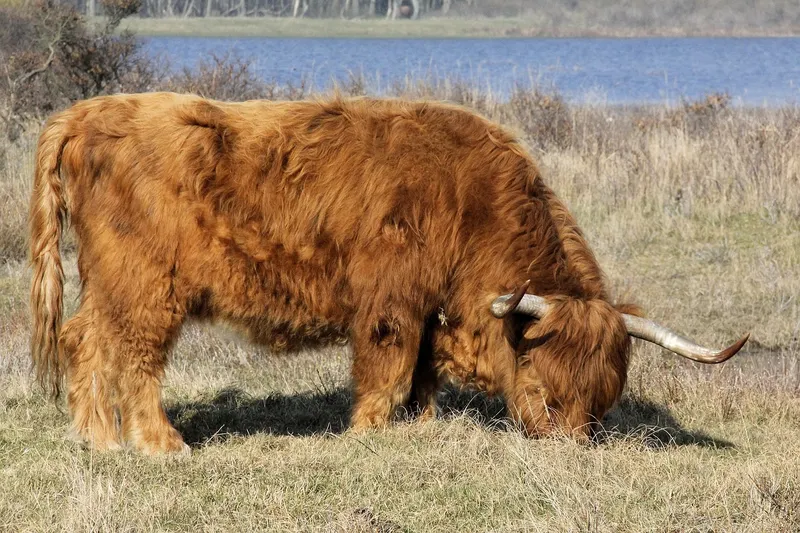
Located near Haarlem and just a short drive from Amsterdam, Zuid-Kennemerland National Park is a coastal gem, stretching across 3,800 hectares of rolling dunes, sandy beaches, and dense forests. The park plays a crucial role in preserving the unique Dutch coastal ecosystem, with a rich variety of flora and fauna. Visitors might encounter Scottish Highland cattle, Konik horses, and fallow deer grazing freely across the dunes. Birdwatchers can spot kestrels, nightingales, and even the occasional peregrine falcon.
Popular activities include hiking and cycling through the extensive network of trails. The park is also home to the famous Vogelmeer (Bird Lake), where a wide range of waterfowl can be observed. For those interested in history, the park contains remnants of the Atlantic Wall, a defense line built during World War II. Beach lovers can enjoy the peaceful, unspoiled coastline at Bloemendaal and Zandvoort.
12. Drents-Friese Wold National Park
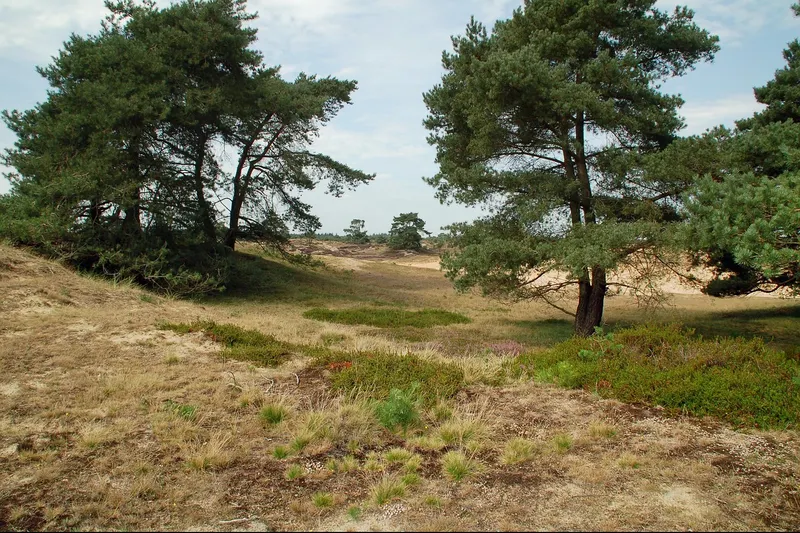
Spanning 6,000 hectares across the provinces of Drenthe and Friesland, Drents-Friese Wold is one of the largest contiguous nature reserves in the Netherlands. This diverse park features ancient woodlands, shifting sands, heathlands, and wet grasslands.Its wide-open landscapes and dense forests make it a prime location for long hikes, cycling, and horseback riding. The park is also home to an array of wildlife, including red deer, badgers, and rare butterflies.
A must-visit site is the Aekingerzand, also known as the “Desert of Drenthe,” an impressive stretch of drifting sand where visitors can feel as though they’ve stepped into another world. The park also boasts an interactive visitor center where children can explore nature through play. It’s a perfect destination for families looking to introduce young ones to the wonders of the outdoors.
13. Drentsche Aa National Park
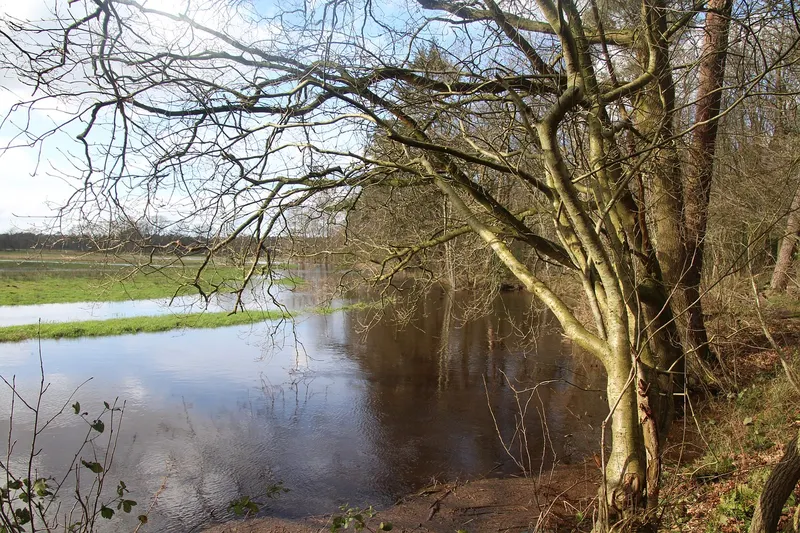
Unlike traditional national parks, Drentsche Aa National Park is a “living landscape” rather than a strictly protected area. It preserves the historic esdorp (village-centered) landscapes of Drenthe, where farming and nature have coexisted for centuries. At its heart lies the Drentsche Aa river, one of the few remaining natural rivers in the Netherlands. The park is dotted with prehistoric dolmens, ancient burial mounds built by the Funnelbeaker culture over 5,000 years ago.
Visitors can explore the picturesque villages of Rolde, Anloo, and Gasteren, where traditional Saxon farmhouses blend seamlessly into the landscape. The area is ideal for hiking and cycling, with well-marked trails leading through meadows, forests, and heathlands. The park is particularly beautiful in late summer when the purple heather blooms, creating a vibrant, colorful landscape. It lies within minutes from Assen or Groningen.
14. De Alde Feanen National Park
Located in Friesland, De Alde Feanen is a wetland paradise covering 2,300 hectares. It consists of lakes, peat bogs, reed beds, and grasslands, making it a crucial habitat for numerous bird species, including the purple heron, white-tailed eagle, and spoonbill. This national park is best explored by boat or canoe, allowing visitors to navigate the maze of waterways and experience the tranquility of its natural surroundings. Many rental companies in the nearby village of Earnewâld offer whisper boats (electric boats) for a quiet and eco-friendly way to explore the park.
For birdwatchers, there are several observation huts where rare species can be spotted. The park is also rich in cultural history, with old windmills and remnants of peat-cutting industries visible throughout the landscape. Visit it from Sneek, Leeuwarden or Drachten.
15. Veluwezoom National Park
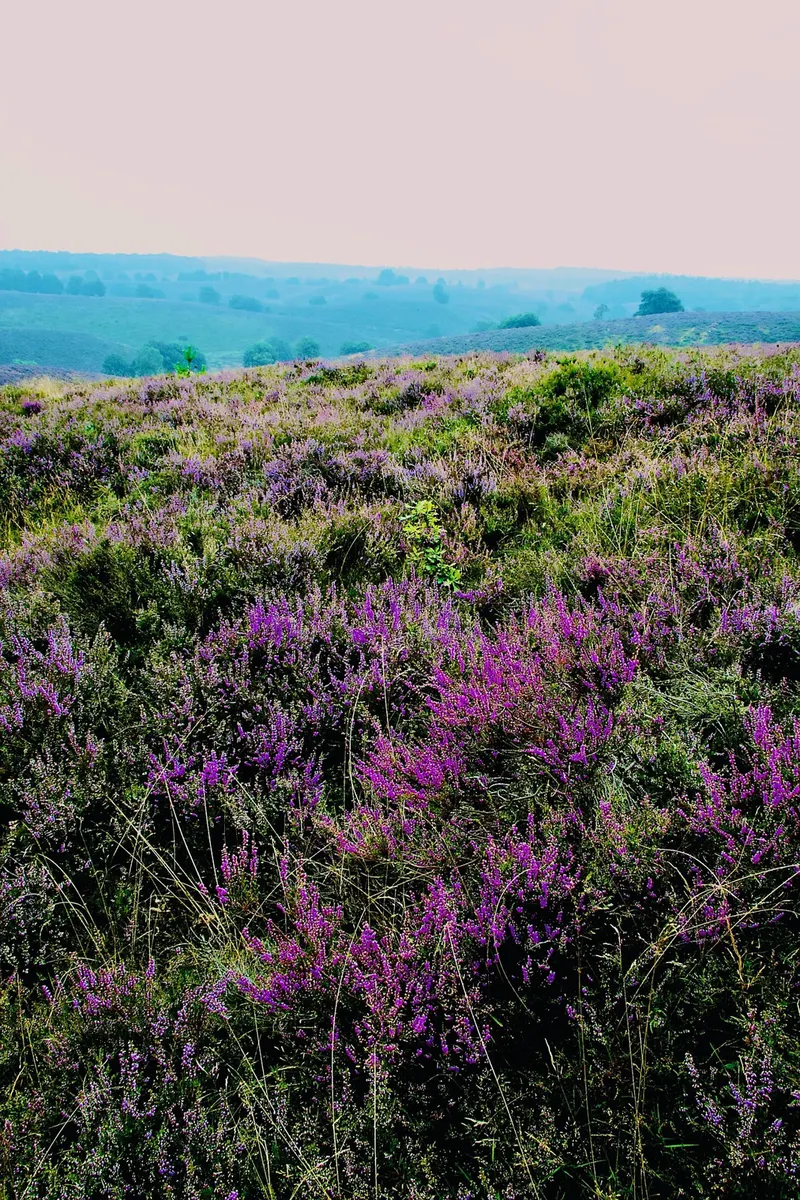
Established in 1930, Veluwezoom National Park holds the distinction of being the oldest national park in the Netherlands. Located in the province of Gelderland, it encompasses approximately 5,000 hectares of diverse landscapes, including rolling hills, expansive heathlands, dense forests, and shifting sand dunes. The park’s highest point, the Posbank, rises to 90 meters and offers panoramic views, especially breathtaking during the late summer when the heather is in full bloom. Wildlife enthusiasts can spot red deer, roe deer, wild boar, and a variety of bird species. An extensive network of trails caters to hikers, cyclists, and horseback riders, making it a haven for outdoor activities. The park’s visitor center provides insights into the area’s natural and cultural history, enhancing the overall experience. Perfect daytrip from Arnhem.
16. Oosterschelde National Park
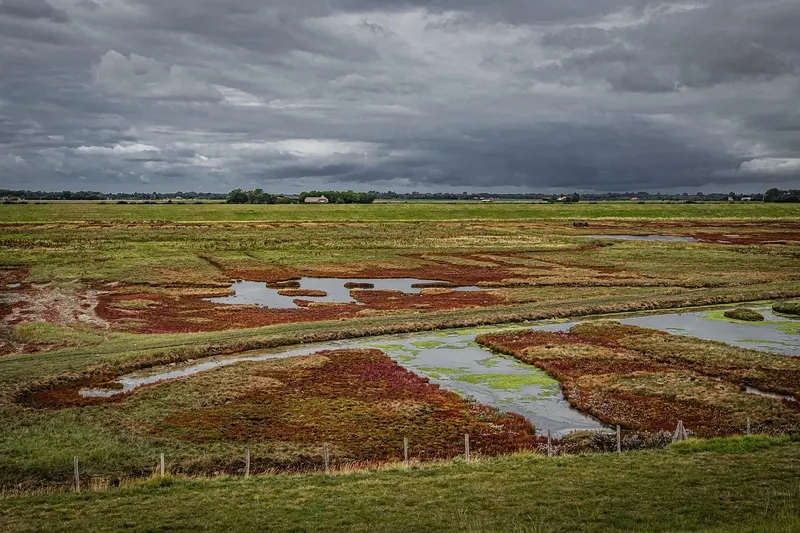
The largest national park in the Netherlands, Oosterschelde National Park covers approximately 37,000 hectares of marine and coastal landscapes. It includes tidal flats, sandbanks, salt marshes, and deep waters, making it a hotspot for marine biodiversity. The park is known for its large population of seals and porpoises, which can often be seen from the shore or on boat tours. The tidal movements create a constantly changing landscape, making each visit unique.
Diving enthusiasts flock to Oosterschelde for some of the best underwater experiences in the Netherlands, with rich marine life including sea anemones, lobsters, and colorful sponges. Visitors can explore the park via dikes and walking trails or participate in guided excursions to learn more about the region’s unique ecosystem. Within biking distance of Goes or Bergen op Zoom.
17. De Groote Peel National Park
Straddling the provinces of North Brabant and Limburg, De Groote Peel National Park encompasses approximately 1,400 hectares of peat bogs, marshes, and heaths. This remnant of a vast raised bog that once covered the region is now a haven for birdwatchers, especially during migration seasons when cranes and other species pass through. The park offers several marked walking trails, including boardwalks over the wetlands, allowing visitors to immerse themselves in its serene beauty. The rich biodiversity and tranquil environment make it a perfect spot for nature photography and peaceful reflection. Easy to visit from Eindhoven, Roermond or Venlo.
18. De Zoom–Kalmthoutse Heide Cross-Border Park
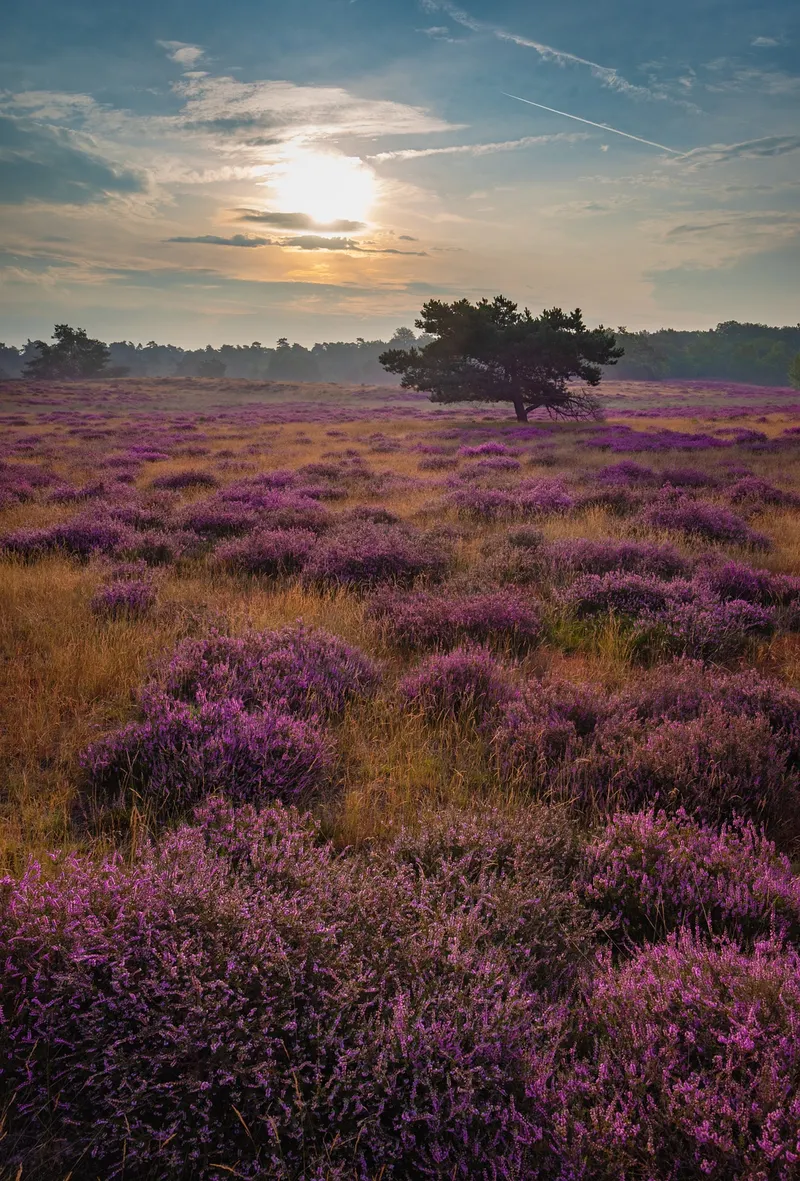
This unique park spans the border between the Netherlands and Belgium, covering heathlands, forests, and fens. In the Dutch province of North Brabant, it’s known as De Zoom, while in Belgium, it’s called Kalmthoutse Heide. The park’s diverse habitats support a variety of wildlife, including reptiles like the viviparous lizard and numerous bird species. Visitors can explore extensive hiking and cycling trails that traverse both countries, experiencing the seamless blend of Dutch and Belgian natural landscapes. The park also hosts educational programs and guided tours, emphasizing its ecological significance and cross-border cooperation in conservation efforts. The park is located not far from Roosendaal, Breda or Bergen op Zoom.
19. Duinen van Texel National Park
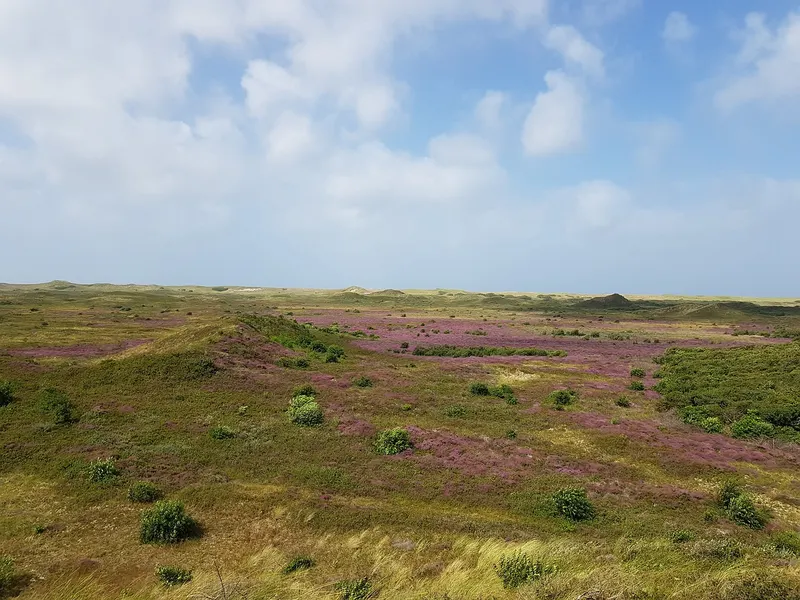
Located on the island of Texel in North Holland, this park encompasses a vast dune system, woodlands, and wetlands. Covering about 4,300 hectares, it’s a sanctuary for diverse flora and fauna, including the natterjack toad and various orchid species. The Duinen van Texel park offers numerous walking and cycling paths, birdwatching opportunities, and access to some of the Netherlands’ most pristine beaches. The Ecomare center within the park provides insights into the Wadden Sea’s marine life and seals, enhancing visitors’ understanding of the area’s ecological importance.
20. Nieuw Land National Park
Established in 2018, Nieuw Land National Park is the youngest and one of the largest national parks in the Netherlands, covering approximately 29,000 hectares. Situated in the province of Flevoland right next to the city Lelystad, the park is a testament to Dutch ingenuity in land reclamation, transforming former seabeds into thriving natural habitats. It comprises four main areas: the Oostvaardersplassen, Lepelaarplassen, Markermeer, and Marker Wadden. The park is renowned for its rich birdlife, including species like the white-tailed eagle and spoonbill. Visitors can enjoy birdwatching, cycling, and hiking, witnessing the dynamic interplay between land and water in a continually evolving landscape.
21. Van Gogh National Park
Proposed in 2021, Van Gogh National Park aims to celebrate the natural landscapes that inspired the famous Dutch painter Vincent van Gogh. Located in North Brabant, the park encompasses areas around Nuenen, where Van Gogh created many of his early works. The initiative seeks to blend cultural heritage with nature conservation, offering visitors a unique experience of art and environment. While still under development, the park plans to feature walking and cycling routes that connect significant Van Gogh sites, allowing visitors to immerse themselves in the landscapes that influenced his art.
Bonus nature reserves in The Netherlands
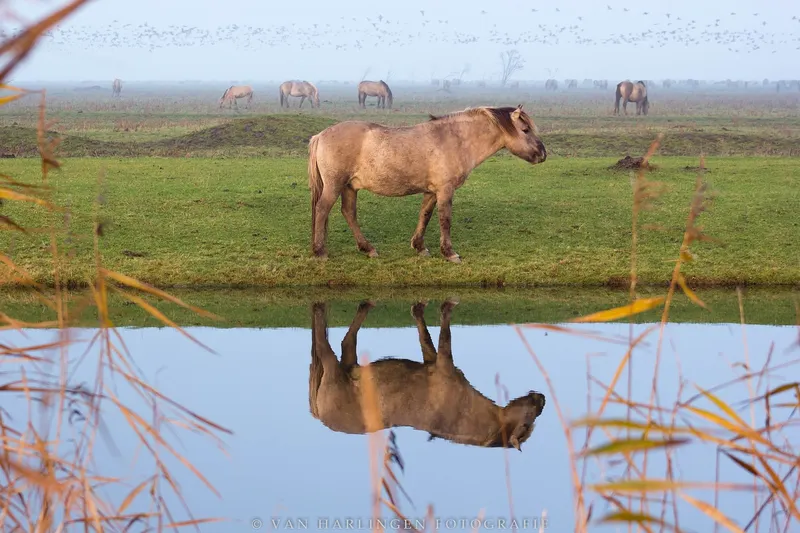
While the national parks of the Netherlands offer some of the most breathtaking and protected landscapes in the country, they are just the beginning of what Dutch nature has to offer. Beyond these official parks, the Netherlands is home to numerous other stunning nature reserves that are well worth exploring. The Oostvaardersplassen, a vast wetland in Flevoland, is a paradise for birdwatchers and home to wild Konik horses and red deer. The Marker Wadden, a newly created archipelago in the Markermeer, is an impressive example of Dutch land reclamation and a sanctuary for water birds.
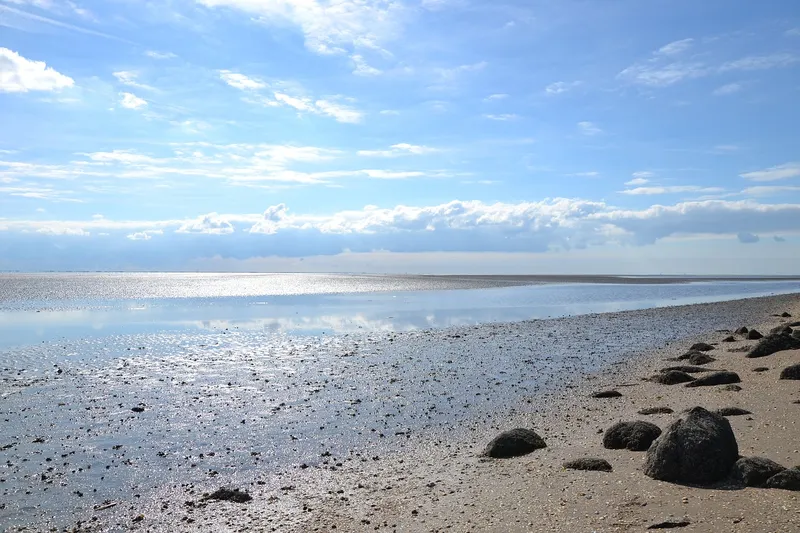
The Wadden Sea, a UNESCO World Heritage Site, is one of the most dynamic tidal ecosystems in the world, offering spectacular mudflat hiking and seal-watching opportunities. Meanwhile, the Kwade Hoek on the island of Goeree-Overflakkee provides an ever-changing coastal wilderness where land and sea meet.
Whether you’re looking for forests, wetlands, dunes, or heathlands, the Netherlands has a wealth of natural areas to explore. From well-marked hiking and cycling trails to scenic waterways perfect for canoeing, there’s an outdoor adventure waiting for everyone. These landscapes, shaped by both nature and centuries of human interaction, tell the unique story of the Netherlands a country where land and water exist in constant balance.
So, whether you’re a local rediscovering your homeland, an expat looking to connect with nature, or a visitor seeking a peaceful escape, the Dutch countryside is ready to welcome you with its quiet beauty and endless opportunities for adventure.