

Food walks in Amsterdam
Browse the food walks offered by Amsterdam Food Tours and choose the itinerary that suits you.
Food walks in Amsterdam on GetYourGuideStart with a warm stroopwafel over your coffee, a few words of Dutch and time to explore beyond the familiar sights.
Our guides bring together traditional food, the languages spoken in the Netherlands, Dutch names and the stories behind the country’s windmills and flower fields.

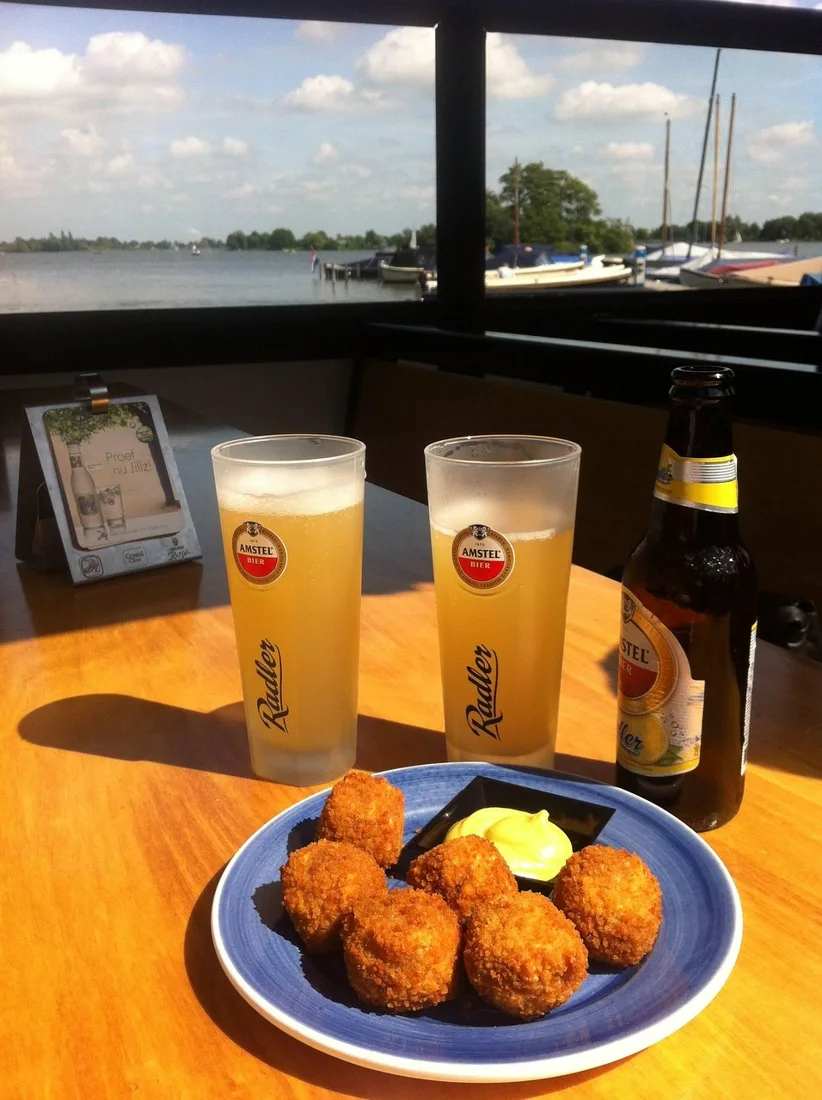
Sweet stroopwafels, a portion of bitterballen or a bowl of snert on a cold day: Dutch food is worth making room for in your trip.
Our food guide covers 70 dishes, snacks and sweets, with explanations to help you choose what to try.
Explore 70 traditional Dutch foodsYou do not need a formal tasting menu to get to know Dutch food. A bakery is a good place to try a stroopwafel or a slice of appeltaart. At a fish stall, look for kibbeling: pieces of battered, fried fish, usually served with a sauce. Herring is a different experience, often eaten with onions and pickles.
For something savoury with a drink, try bitterballen. These crisp, round snacks have a hot ragout filling and are usually served with mustard. Prefer a full meal? Dutch pancakes come with sweet or savoury toppings, while stamppot combines mashed potatoes with vegetables.
Our guide to traditional Dutch food explains the dishes, so you can choose what sounds good before ordering.
In Gouda, cheese and stroopwafels fit naturally into a walk around the market square and canal streets. Alkmaar is another place to explore the cheese-market tradition. These markets run on selected dates, so check the programme before planning your trip around one.
In Den Bosch, leave room for a Bossche bol: a large chocolate-covered pastry filled with cream. A visit to Schiedam gives you a different food-and-drink story, with windmills and former distilleries linked to the town’s jenever industry.
Choose one stop that interests you and build the rest of the day around the neighbourhood, a museum or a walk.
Goedemorgen means good morning, dank je wel means thank you, and alstublieft can mean please or here you are. You will often hear gezellig used for a pleasant, sociable atmosphere: think of a café table with friends rather than one exact English translation.
English is widely spoken, but a few Dutch words make signs and menus easier to recognise. Our Dutch language guide also introduces Frisian and the other languages you may encounter.
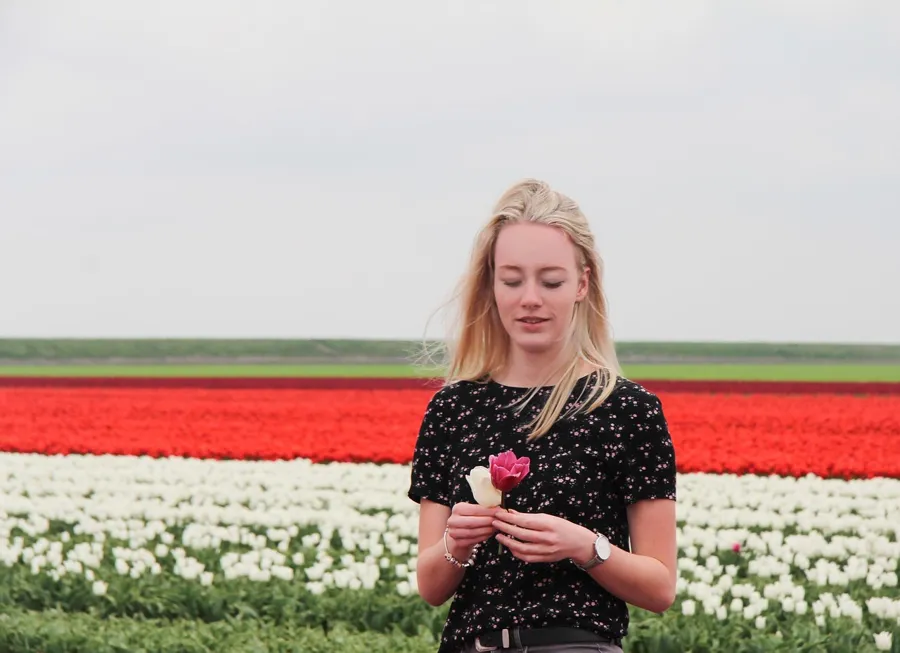
Windmills and tulips are part of the picture, but they tell different stories. Mills were used for tasks such as pumping water, grinding grain and sawing timber. Flower fields belong to a working agricultural landscape, so enjoy the view from public paths and only enter where visitors are invited.
Use our guide to Dutch windmills to choose a mill visit, or read where to see tulip fields when planning a spring trip. Leave space for the smaller details too: a local market, a neighbourhood bakery or a conversation over coffee.
Get to know the country beyond the sights.
Explore the places and landscapes behind familiar Dutch traditions.
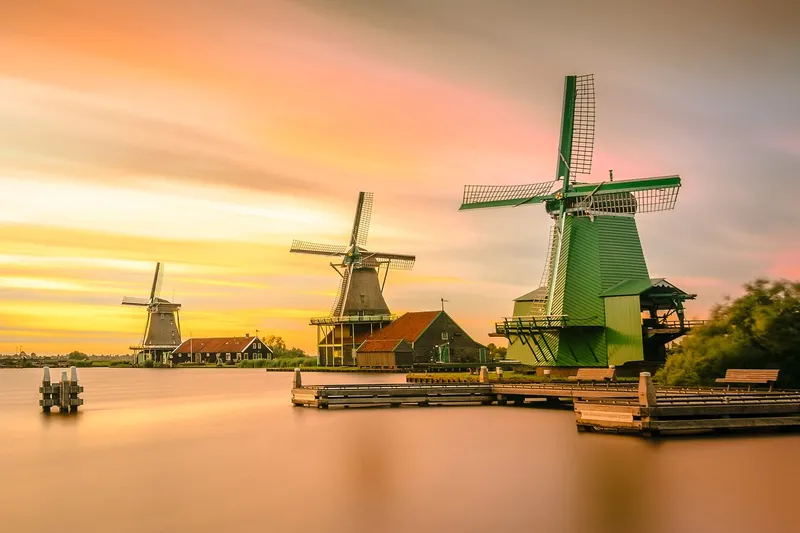
Discover windmill villages and the role mills have played in the Dutch landscape.
Windmills in the Netherlands
Find out where to see the flower fields and how to plan a spring visit.
Tulip fields in the Netherlands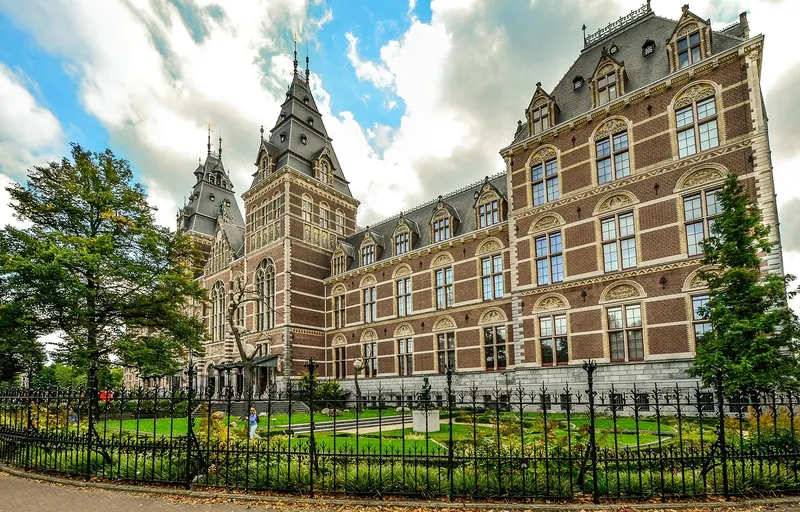
Explore canal-side streets, city centres and smaller Dutch towns.
Best cities to visit in the NetherlandsBrowse the food walks offered by Amsterdam Food Tours and choose the itinerary that suits you.
Food walks in Amsterdam on GetYourGuideEntry to the Rijksmuseum. Choose an available date and time.
Rijksmuseum admission on GetYourGuide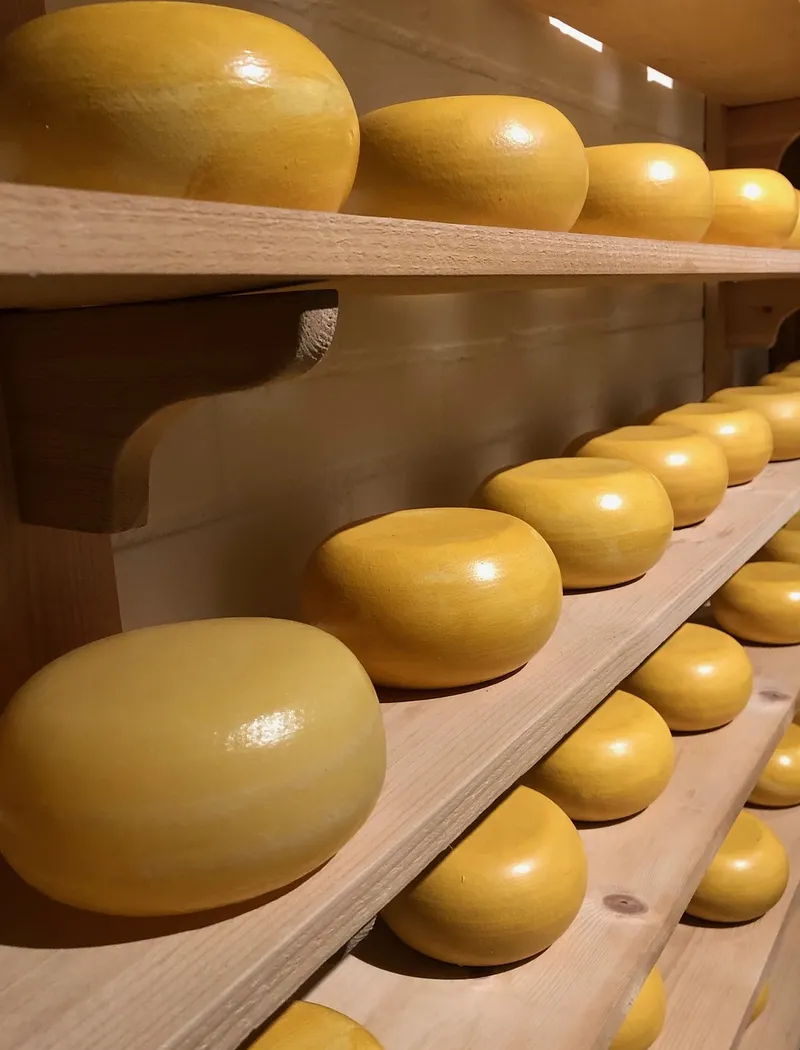
A warm stroopwafel, a cheese-market visit or a café stop after a museum: pick something you are curious about and give it a place in your itinerary.
Find your next Dutch dish