
The 10 best places to see windmills in the Netherlands
Growing up in the Netherlands, windmills were a familiar sight, never far from home. I was fortunate to live near one of the country’s oldest mills, and I’ve always admired these majestic, man-made marvels. Now, having visited more windmills than I can count, I’ve put together this guide to the very best windmills in the Netherlands. If you’re planning a trip to Holland, be sure to visit these iconic landmarks you won’t want to miss them! By the way we also created a guide about the amazing tulip fields in The Netherlands.
1. Zaanse Schans – The living windmill village
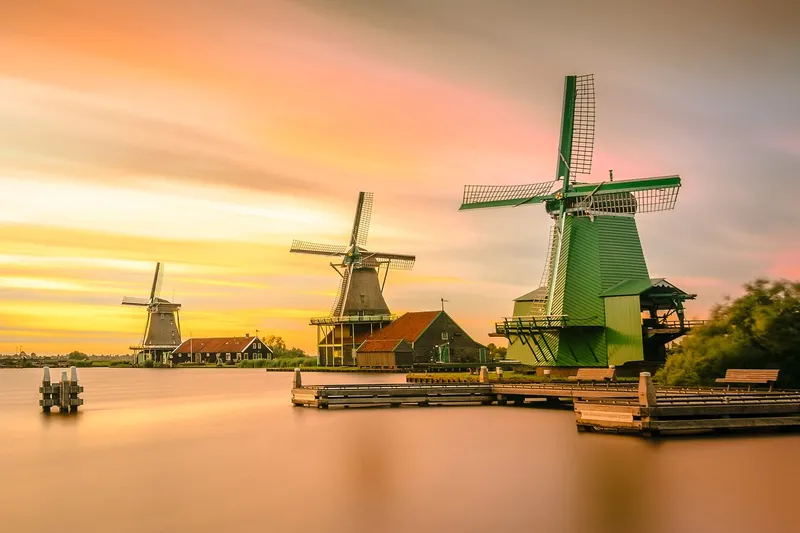
- Where: Near Amsterdam next to the city of Zaanstad (20 min drive)
- Why visit? This open-air museum features working windmills, traditional Dutch houses, and craftsmen demonstrating cheese-making, wooden shoe carving, and cocoa production.
- Fun fact: Zaanse Schans was one of the world’s first industrial areas in the 17th century, with over 600 windmills powering factories at its peak.
- Zaanse Schans Windmill Trail (6 km) – A beautiful walking route around Zaanse Schans, with plenty of stops for Dutch treats like stroopwafels.
Tours from Amsterdam that we can recommend;
A guided trip from Amsterdam to Zaanse Schans.
View ticket on GetYourGuide2. Kinderdijk – UNESCO World Heritage Site
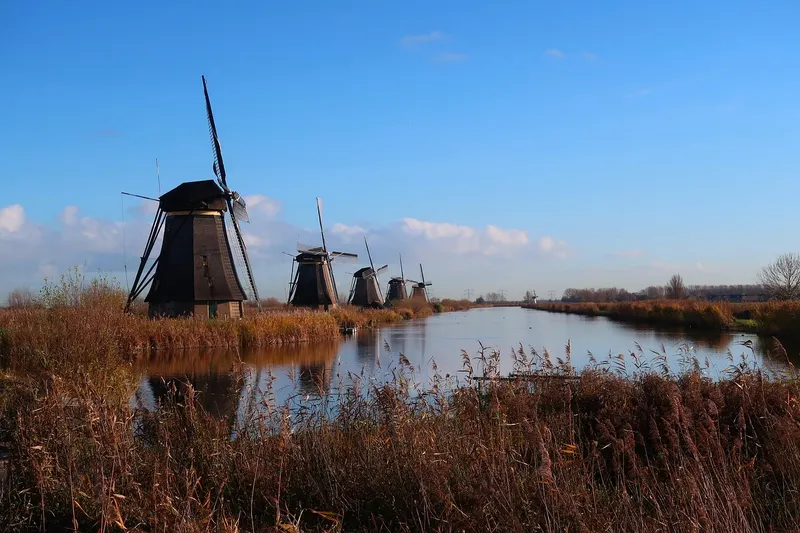
- Nearby city: Rotterdam (30 min drive)
- Why visit? Kinderdijk is home to 19 perfectly preserved windmills, built in the 18th century to manage water levels in the region. This UNESCO-listed site offers boat tours and cycling routes for an immersive experience.
- Fun fact: The name “Kinderdijk” (Children’s Dike) comes from a legend where a baby was found floating in a cradle after a great flood, safely kept alive by a cat balancing the cradle.
- Kinderdijk Windmill Route (8-15 km) – A scenic cycling and walking route through the famous windmill landscape.
We can recommend the following tours to visit Kinderdijk;
Admission to the Kinderdijk visitor attractions. Check the listing for the included museums and boat trip.
View ticket on GetYourGuide3. Schiedam – The tallest windmills in the world
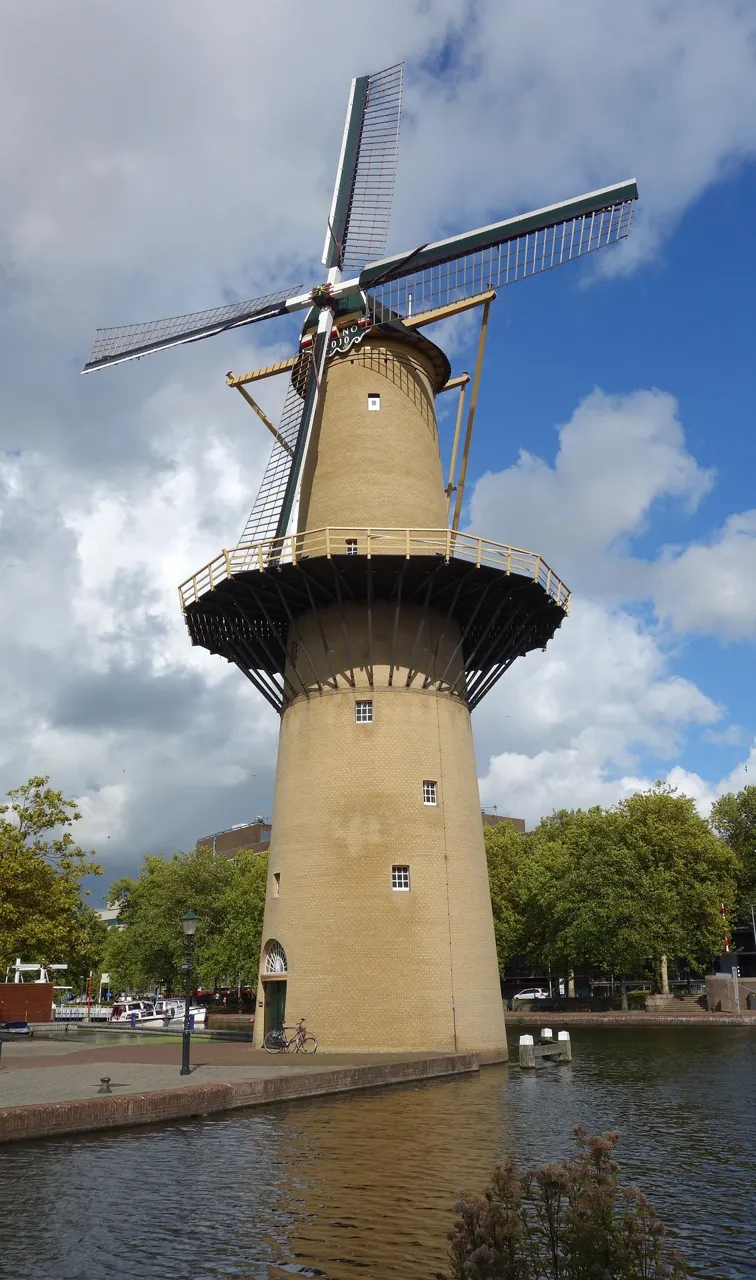
- Where: Schiedam
- Why visit? Schiedam is home to the world’s tallest windmills, built to produce malt for the city’s booming gin industry in the 18th century.
- Fun fact: The tallest windmill in Schiedam, De Noord, stands at 33.3 meters (109 feet) almost as tall as a 10-story building!
- Schiedam Windmill Cycle Tour (20 km) – A self-guided bike route connecting the world’s tallest windmills.
Stay around the Zaan region
Compare stays in Zaandam or Amsterdam and plan your journey to the windmills separately.
4. De Zaansche Molen – The working mills of the Zaan region
- Nearby city: Amsterdam (25 min drive)
- Why visit? These historic windmills are still in use for grinding spices, making paint pigments, and sawing timber, giving visitors a glimpse into centuries-old Dutch industry.
- Fun fact: The Het Jonge Schaap windmill is a faithful reconstruction of a 17th-century sawmill, built entirely with traditional methods.
5. De Valk Windmill Museum – A windmill you can climb
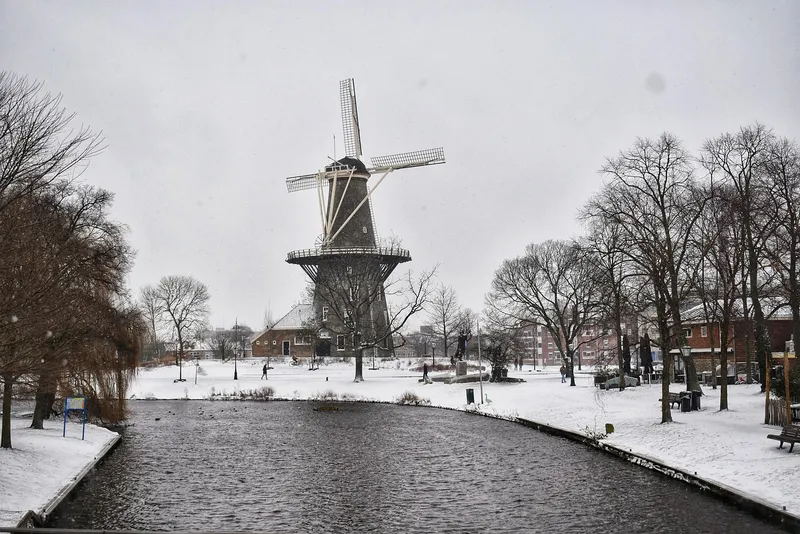
- Where: Leiden
- Why visit? This 18th-century windmill museum in the center of Leiden offers an inside look at a working grain mill, complete with a climb to the top for spectacular views.
- Fun fact: The miller used to live inside the windmill, with his entire family, in the small living quarters on the lower floors.
- Leiden & Molen de Valk Walk (4 km) – A historic walking route through Leiden’s charming canals, ending at the De Valk windmill.
6. Krijtmolen d’Admiraal – The last chalk mill in the Netherlands
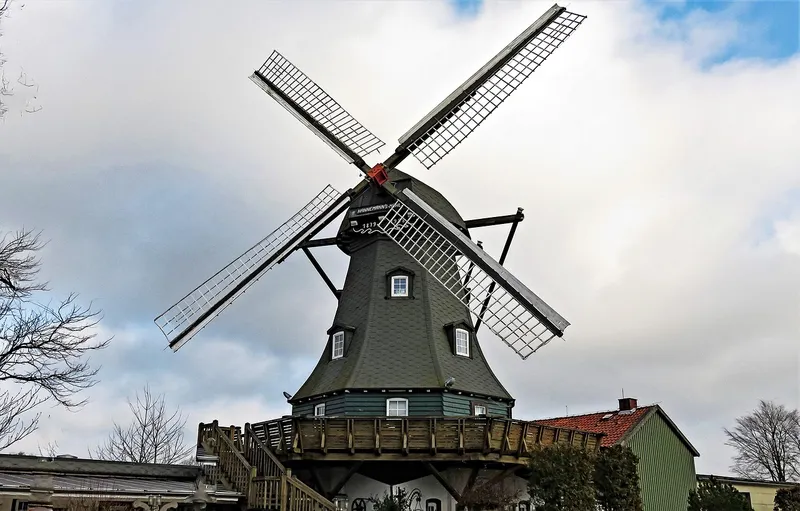
- Nearby city: Amsterdam
- Why visit? This unique windmill in Amsterdam-Noord was used to grind chalk for paint and mortar production and is the last of its kind still standing in the country.
- Fun fact: Chalk mills were essential in the Dutch Golden Age, providing materials for the construction of Amsterdam’s iconic canal houses.
- Amsterdam Windmill Bike Route (30 km) – A scenic cycling route taking you past several of Amsterdam’s windmills, including De Gooyer and Krijtmolen d’Admiraal.
7. Molen de Adriaan – A historic windmill in Haarlem
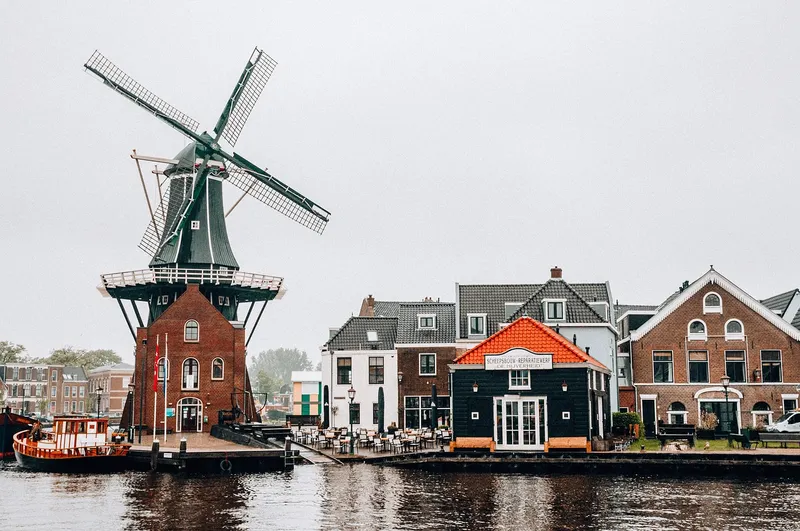
- Nearby city: Haarlem
- Why visit? Originally built in 1779, this riverside windmill offers guided tours explaining its history and restoration.
- Fun fact: After burning down in 1932, the mill stood in ruins for 70 years before being completely rebuilt in 2002.
8. Molen de Gooyer – Amsterdam’s windmill brewery
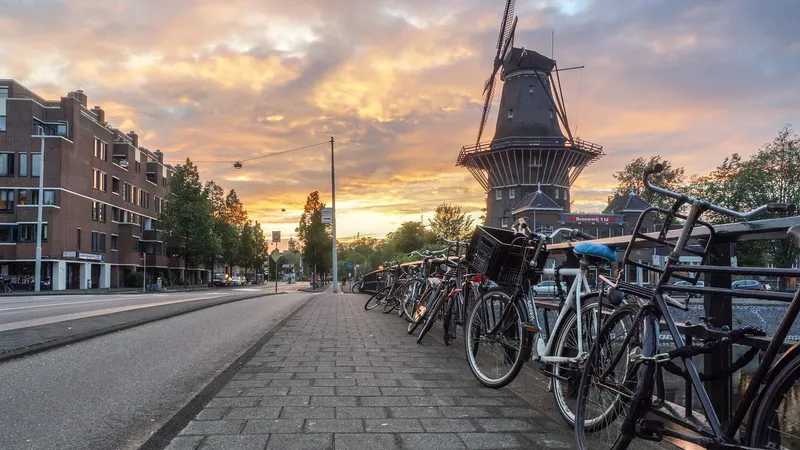
- Nearby city: Amsterdam
- Why visit? De Gooyer is a tall wooden windmill. The Brouwerij ’t IJ brewery and tasting room occupy a former bathhouse beside it, rather than the windmill itself.
- Fun fact: You can enjoy a fresh Dutch beer brewed right under the windmill, making it a favorite spot for both locals and visitors.
9. Molen de Hoop – A hidden gem in Brabant
- Nearby city: Den Bosch
- Why visit? This beautifully preserved windmill still grinds grain and offers a quieter, less touristy experience.
- Fun fact: “De Hoop” means “The Hope”, a common name for Dutch windmills symbolizing prosperity and good fortune.
10. Molen de Kat – The only working paint mill in the world
- Nearby city: Zaandam
- Why visit? This windmill still produces natural pigments for artists’ paints, keeping an age-old craft alive.
- Fun fact: De Kat supplies pigments to artists and museums. Its pigments were also used for a modern reconstruction of Rembrandt’s The Night Watch.
The history of Dutch windmills
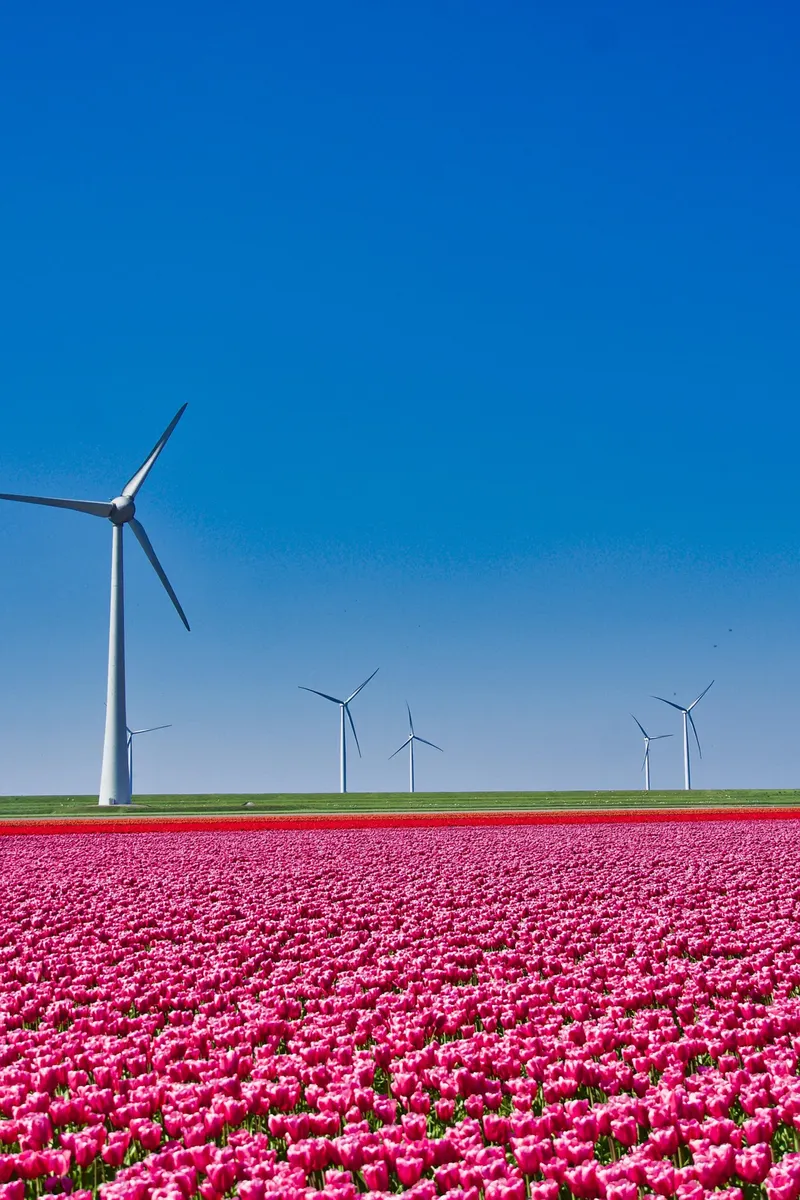
The story of Dutch windmills dates back to the 13th century, when the first mills were built to grind grain and manage water levels. By the 16th and 17th centuries, windmills became an essential part of the Netherlands’ landscape, helping to reclaim vast areas of land from lakes and marshes.
During the Dutch Golden Age, windmills powered industries such as sawmilling, which allowed for the rapid expansion of shipbuilding, fueling the Netherlands’ dominance in global trade. Over time, steam and electric-powered machinery replaced many windmills, but their legacy remains deeply rooted in Dutch culture.
The lowest point in the Netherlands: how windmills helped reclaim land
One of the most remarkable achievements of Dutch windmills is their role in reclaiming land and keeping the country dry. The Netherlands’ lowest point, located in Zuidplaspolder, near Gouda, Waddinxveen and Zoetermeer lies at 6.76 meters below sea level. Without the intervention of windmills and modern pumping stations, this area and much of the western Netherlands would be underwater.
Beginning in the 16th century, Dutch engineers used windmills to drain large lakes and marshes, turning them into fertile farmland. The Beemster Polder (near Purmerend), for example, was once a vast lake before being transformed into rich agricultural land through the combined efforts of 43 windmills.
At their peak, the Netherlands had over 10,000 windmills, though today, around 1,200 remain. Many of these are still operational and can be visited to learn about their incredible engineering and cultural significance. Today, while modern pumping stations have taken over much of the work, the windmills stand as a testament to Dutch innovation in water management.
Windmill festivals and events in the Netherlands
Every year, the Netherlands celebrates National Mill Day (Nationale Molendag) on the second weekend of May, when hundreds of windmills across the country open their doors to visitors. This is the perfect opportunity to step inside a working windmill, meet the millers, and see firsthand how these historic machines operate. Some locations offer special demonstrations, such as flour grinding or wood cutting, while others host family-friendly events with Dutch music, food, and traditional crafts.
In Kinderdijk and Zaanse Schans, nighttime events sometimes feature illuminated windmills, creating a magical atmosphere. These celebrations help preserve the legacy of Dutch windmills and educate visitors about their role in shaping the country.
Small bonus tip, if you are in Voorburg or Leidschendam, be sure to check out the De Salamander sawing mill next to the Vliet canal. It’s a small and free museum and a true hidden gem.